
We’ve all heard about the wonders of Botox for smoothing wrinkles, but its use in treating TMJ disorder is grabbing attention for entirely different reasons. By targeting the muscles involved, Botox injections can greatly decrease the discomfort and mobility issues associated with TMJ. However, as we delve into this treatment option further, it’s crucial to take into account both the potential benefits and the risks. What’s particularly interesting is how these injections compare to traditional treatments in both effectiveness and safety. Let’s examine whether Botox could be a game-changer for those suffering from this debilitating condition.
Understanding TMJ Disorder
Understanding TMJ disorder begins with recognizing it as a condition that impacts the temporomandibular joint, leading to symptoms such as jaw pain, clicking sounds, and limited movement.
Acknowledging these symptoms aren’t only uncomfortable but can disrupt daily activities significantly.
The causes of TMJ disorders often include teeth grinding, habitual clenching, and excessive stress, which lead to heightened tension in the facial muscles.
This dysfunction necessitates a thorough assessment to tailor effective treatment options.
While exploring these, it’s essential to consider interventions that directly address the root causes, such as stress management and physical therapy, to alleviate jaw tension.
Our approach combines clinical precision with detailed understanding, ensuring each patient receives thorough care that targets their specific symptoms.
Botox as a Treatment Option
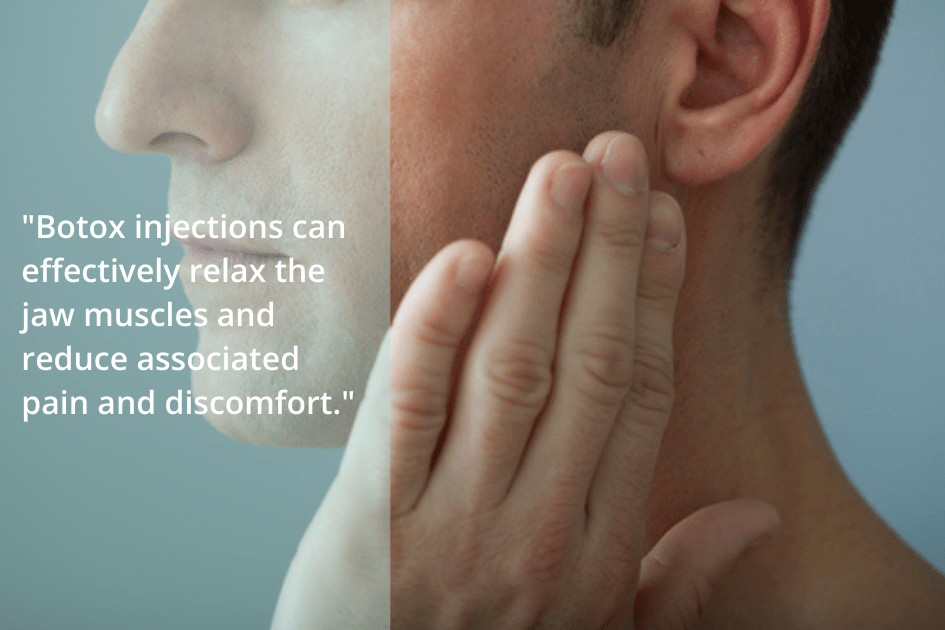
While exploring treatment options for TMJ disorder, we also consider the use of Botox injections. Botox injections can effectively relax the jaw muscles and reduce associated pain and discomfort. When conservative treatments such as night guards or bite adjustments don’t fully alleviate symptoms, Botox injections may be an appropriate next step.
Administered by a healthcare professional, these injections target the muscles around the temporomandibular joint, easing tension and chronic pain. The effects typically last between three to five months, offering significant relief.
It’s essential, however, to understand that Botox is generally recommended after other non-surgical methods have been tried. This ensures that it’s used judiciously and effectively in managing TMJ disorder symptoms.
Procedure Details
During a usual Botox session for TMJ, we administer injections directly into the targeted jaw muscles, which usually takes between 10 to 30 minutes.
This non-surgical treatment is performed on an outpatient basis, allowing patients to continue their daily activities promptly after the procedure.
We carefully inject Botox into specific areas around the temporomandibular joint to provide tension relief and reduce TMJ symptoms effectively. The precision of injection sites is essential for maximizing the therapeutic benefits and minimizing any potential discomfort.
Typically, multiple sessions spaced over several months are necessary to achieve best results. Each session is designed to progressively alleviate the muscle tightness contributing to TMJ disorder, ensuring a methodical approach to symptom management.
Expected Benefits
Botox injections offer significant relief for TMJ disorder by relaxing overactive jaw muscles and easing tension. We’ve observed that these injections can be an effective treatment, particularly for those who’ve not found success with other methods. Patients commonly experience enhanced jaw mobility and a notable reduction in symptoms such as painful clicking and limited mouth opening.
Research confirms Botox’s role in managing chronic pain conditions associated with TMJ, positioning it as a reliable component in a broader treatment strategy. The relief, while temporary, typically lasts between 3 to 5 months.
Potential Side Effects
We must consider that Botox injections for TMJ disorder, although generally safe, can lead to several side effects. Common issues include headaches, flu-like symptoms, and occasional respiratory problems. There’s also a risk of muscle weakness, which could temporarily affect jaw functionality. It’s important that monitoring for these potential side effects is conducted diligently.
Patients should report any adverse symptoms to their healthcare provider immediately. This proactive communication helps manage any complications effectively and guarantees patient safety.
Recovery and Aftercare
Patients typically experience minimal recovery time after receiving Botox injections for TMJ, allowing them to quickly resume their daily activities. However, effective aftercare is essential to optimize the treatment benefits and minimize risks.
Here’s what we recommend:
- Monitor for Side Effects: Watch for unusual swelling or pain, and consult us if symptoms persist.
- Avoid Strenuous Activity: For 24 hours post-injection, refrain from vigorous activities to prevent the spread of Botox from the targeted area.
- Apply Ice: If swelling occurs, apply ice intermittently for the first few hours to reduce it.
- Report Immediate Relief and Any Changes: Keep us informed about your pain relief progress and any unexpected changes.
Adhering to these aftercare steps guarantees a smooth recovery and lasting results.
Exploring Alternative Therapies
Several alternative therapies exist that can effectively complement Botox injections in managing TMJ disorder symptoms. Physical therapy, specifically, targets the strengthening and flexibility of jaw muscles, essential for reducing strain and improving function.
Additionally, stress management techniques are vital, as they alleviate the tension that often exacerbates jaw discomfort. Techniques include mindfulness and relaxation exercises tailored to individual needs.
Acupuncture and massage therapy also play significant roles in this holistic approach. Acupuncture aims to restore balance within the body’s energy channels, providing relief from pain and inflammation. Meanwhile, massage therapy focuses on the muscles around the jaw, neck, and shoulders, easing the tightness and aiding in the overall relaxation and healing process.
Together, these alternative treatments enhance the efficacy of Botox injections.

Conclusion
Botox provides a soothing path to comfort for individuals grappling with TMJ disorder.
As you move through the calming currents of the treatment process, the promise of potential relief is encouraging.
Although there may be minor discomforts associated with the procedure, we’re dedicated to ensuring a seamless recovery.
Exploring this option could be a significant step toward lasting peace in your daily activities.
Don’t hesitate reach out to us at North Austin Dentistry in Austin, TX to discuss whether Botox could be the right solution for your TMJ disorder.